- SMALL ORDERS FOR STANDARD ITEMS. Contact Now
- OUTDOOR COOLING SOLUTIONS, MADE IN‑HOUSE. Contact Now
- COOLER BOXES THAT FIT REAL OUTDOOR LIFE. Contact Now

 LANGUAGE
 日本語
 Español
 عربى

Content
- 1 Compact Cooling for Everyday Mobility
- 2 Designed for Hiking and Short Outdoor Trips
- 3 Insulation Structure and Thermal Performance
- 4 Food-Contact Interior for Practical Daily Use
- 5 Secure Closure and Carrying Convenience
- 6 Comparison with Other Small Cooler Solutions
- 7 Applications Across Multiple Outdoor and Daily Scenarios
- 8 Manufacturing Capabilities and Product Development Strengths
- 9 Quality Management and Production Control
- 10 OEM and ODM Customization Options
- 11 Efficient Shipping and Bulk Handling
- 12 Why the Product Offers a Competitive Balance
- 13 Recommended Use and Care Practices
- 14 Guidance for Retailers and Distributors
- 15 Guidance for OEM and Project Buyers
- 16 Company Experience in Outdoor Cooling Products
- 17 Frequently Asked Questions
- 17.1 What is the capacity of the cooler?
- 17.2 What are the product dimensions?
- 17.3 Is the interior suitable for direct food contact?
- 17.4 How long can the cooler retain cold temperatures?
- 17.5 Does the cooler include a shoulder strap?
- 17.6 What colors are available?
- 17.7 Is the lid secure during transport?
- 17.8 What types of activities is the cooler suitable for?
- 17.9 How many units are packed in one carton?
- 17.10 Can the product be customized?
- 17.11 What manufacturing equipment does the company operate?
- 17.12 Where is the manufacturer located?
- 18 Conclusion
- 19 References
- 20 Product: 6L Mini Insulated Cooler with Carry Strap for Hiking
Choosing the right portable cooler often means balancing several practical requirements at once. A cooler should provide dependable insulation, remain easy to carry, fit conveniently into limited spaces, and withstand the demands of regular outdoor use. It should also be simple to clean, safe for food contact, and versatile enough for activities ranging from hiking and school lunches to beach trips and daily commuting. The 6L Mini Insulated Cooler with Carry Strap is designed around these needs, offering a compact cooling solution for individuals, families, retailers, and organizations seeking a practical small cooler box.
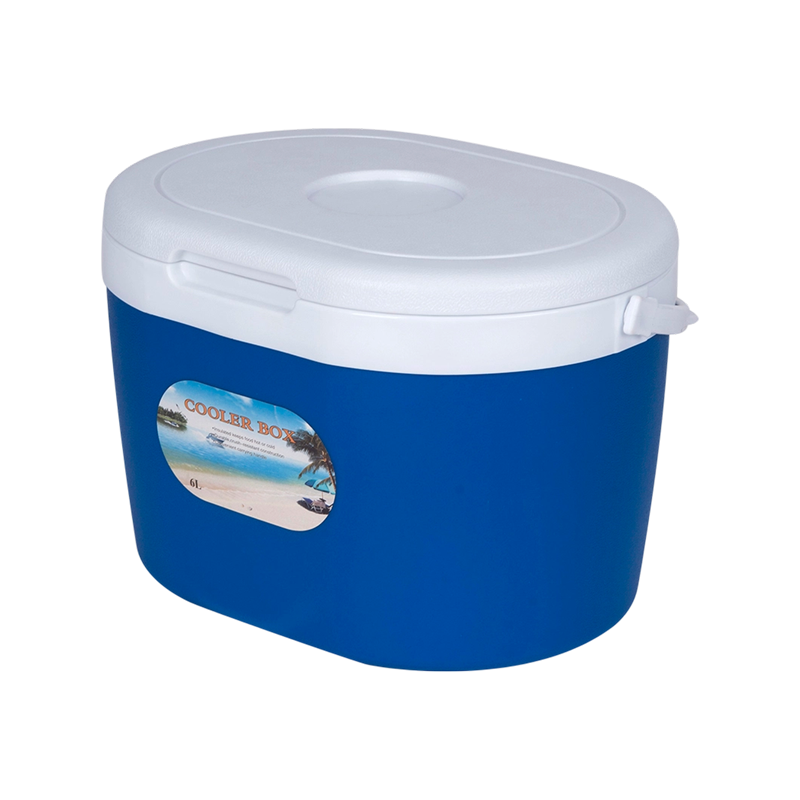
With a 6-liter capacity and product dimensions of 310 × 215 × 200 millimeters, this cooler is intentionally sized for short trips and small-scale activities. It can hold approximately six to eight 330-milliliter cans of cola, depending on the arrangement and the addition of ice packs. This makes it suitable for carrying beverages, fruit, sandwiches, snacks, prepared meals, medicines that require temporary cooling, and other items that benefit from a stable, cooler internal environment.
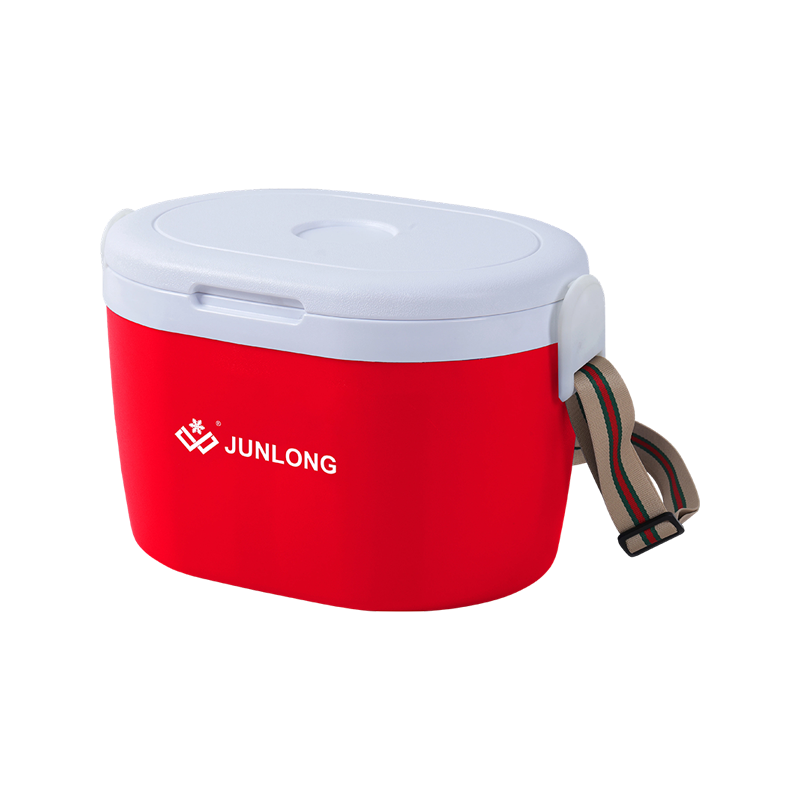
The cooler combines a food-grade polypropylene inner liner, a vacuum-designed lid and body structure, EPS insulation, a secure locking lid, and a dual carrying system that includes both a handle and an adjustable detachable shoulder strap. These features give the product a balanced combination of thermal performance, portability, and everyday convenience. It is small enough for personal use but sturdy enough to support repeated outdoor applications.
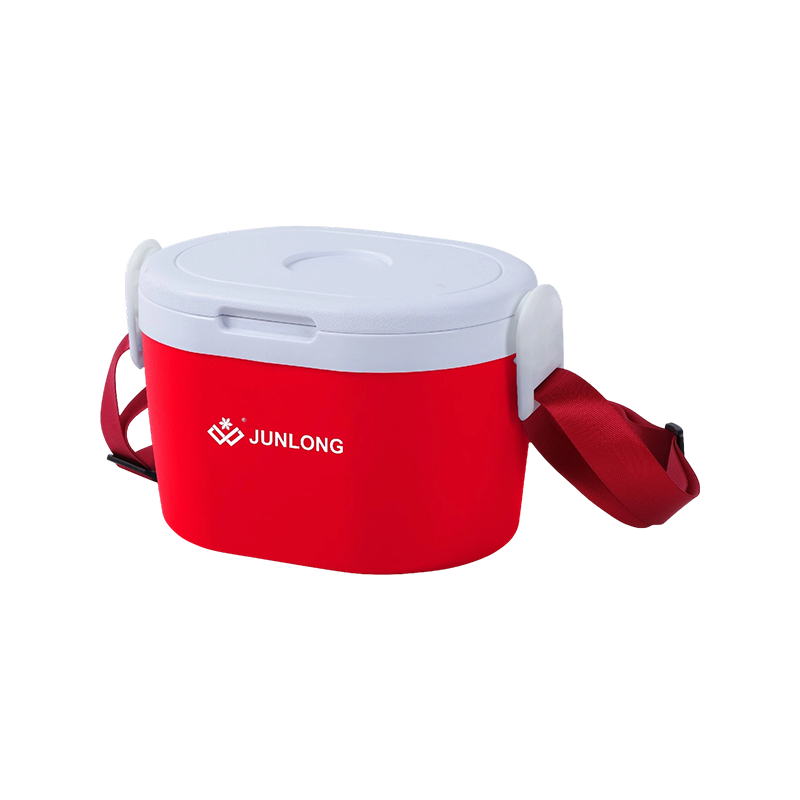
6L Mini Insulated Cooler with Carry Strap for Hiking
Compact Cooling for Everyday Mobility
Large coolers are useful for extended camping trips, family gatherings, and group events, but they are not always convenient for daily use. A large container can occupy substantial vehicle space, become difficult to carry when filled, and offer more storage capacity than one or two people need. The 6L Mini Insulated Cooler addresses this issue with a compact format intended for personal portions and short-duration outings.
Its 310 × 215 × 200mm dimensions allow it to fit into many common storage areas, including vehicle footwells, car seats, office cabinets, picnic baskets, travel bags, and limited luggage compartments. The smaller footprint also makes it easier to place on a table, bench, or campsite surface without taking up excessive room. For retailers and distributors, the compact size supports efficient storage and transportation, while the carton configuration of eight units per carton simplifies inventory planning.
A 6-liter cooler is particularly useful when the user does not need to transport a large amount of food or drink. A hiker may need several beverages and a packed meal. A parent may want to carry snacks for a child. An office worker may use the cooler for lunch and an afternoon drink. A couple visiting a beach or park may need chilled refreshments without carrying a bulky family-size box. In these situations, a small cooler can be more practical than a larger alternative.
The compact design also contributes to easier weight management. The product has a listed net weight of 6.2 kilograms and a gross weight of 7.2 kilograms in the supplied product information. Actual carrying weight will vary according to contents, ice, packaging, and handling conditions. The shoulder strap provides a hands-free carrying option, which is especially useful when the user is also carrying a backpack, folding chair, camera, shopping bag, or outdoor equipment.
Designed for Hiking and Short Outdoor Trips
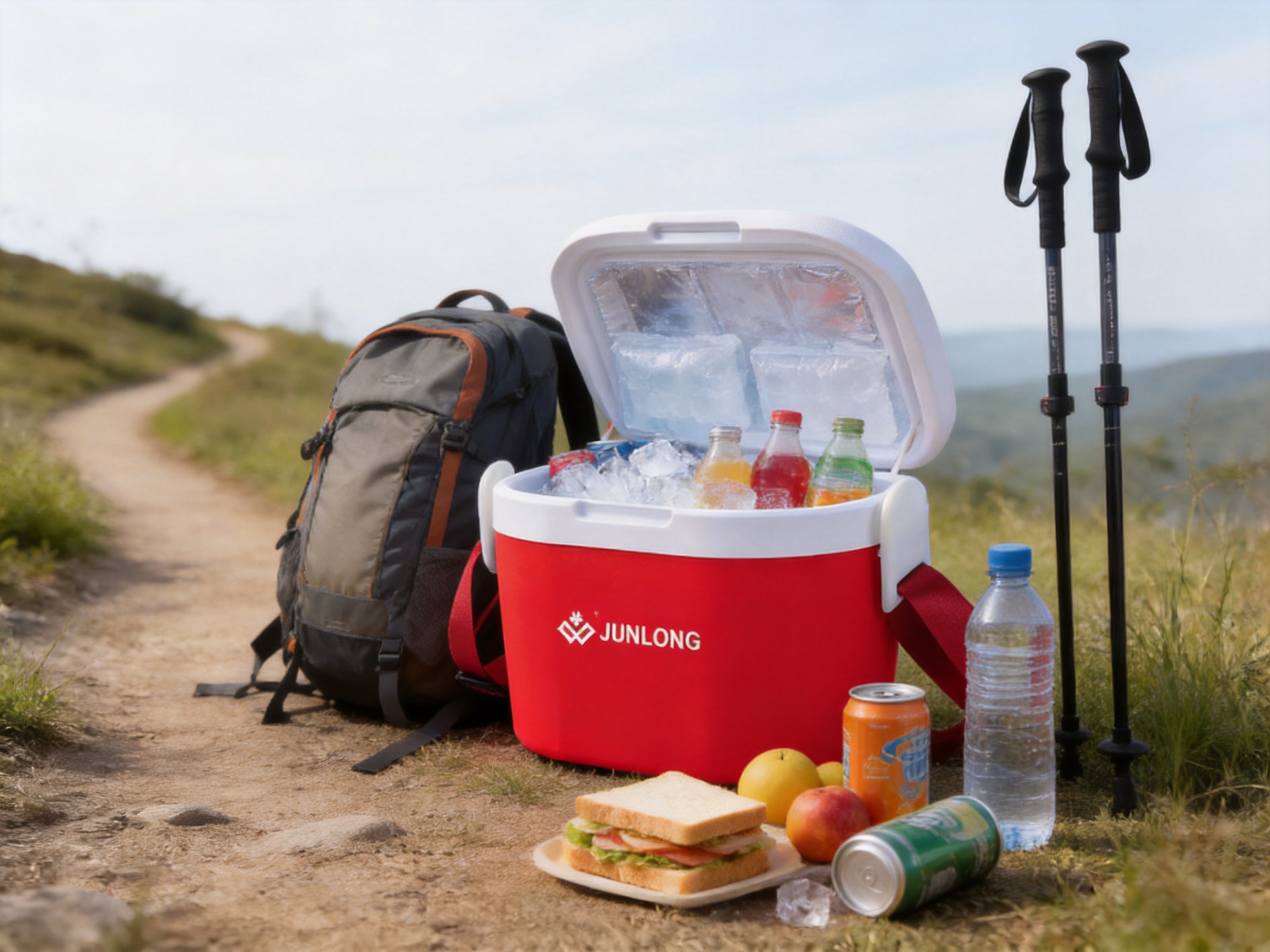
Hiking requires equipment that is easy to transport over uneven ground and through changing environments. A cooler used on a trail should not be excessively large or awkward. The 6L format provides enough space for personal refreshments while avoiding the bulk associated with larger outdoor storage boxes. The detachable shoulder strap makes it possible to carry the cooler across the body, leaving both hands available for balance, trekking poles, or other equipment.
The strap can also be removed when the user prefers to carry the unit by hand or store it inside a vehicle. This dual design gives the product greater flexibility than a cooler that relies on only one fixed carrying method. The handle is suitable for short-distance carrying, while the shoulder strap is useful for longer walks between a vehicle, picnic area, campsite, sports field, or beach location.
The secure locking lid helps reduce the risk of accidental opening during transport. When the cooler is moved across a trail or placed in a vehicle, a properly closed lid helps keep the contents contained and reduces the chance of spills. A stable lid also supports thermal performance by limiting unnecessary exposure of the insulated interior to outside air.
Outdoor environments can involve dust, grass, sand, moisture, and frequent handling. For this reason, a cooler should have a surface and internal structure that can be cleaned after use. The food-grade PP inner liner is suitable for direct contact with food, supporting hygienic use when the container is cleaned and maintained according to normal product-care practices. The polypropylene liner is also a practical choice for a reusable product that may be used repeatedly for meals, drinks, and snacks.
Insulation Structure and Thermal Performance
The core function of a cooler is to slow the transfer of heat between the outside environment and the stored contents. The JL-B-006BL design uses EPS insulation within the lid and body, together with a vacuum-formed lid and body structure as specified in the product information. This construction is intended to help maintain a cooler internal environment for extended periods when used with suitable cooling media, such as ice or ice packs.
The stated insulation time is up to 48 hours under appropriate conditions. Actual performance depends on many factors, including the starting temperature of the contents, the amount and type of ice, how often the lid is opened, surrounding temperature, direct sunlight, airflow, and how fully the cooler is packed. A well-prepared cooler that is pre-chilled, loaded efficiently, kept closed, and protected from direct heat can generally achieve better thermal results than one that is repeatedly opened or placed in strong sunlight.
EPS, or expanded polystyrene, is widely used in insulated products because it provides a lightweight cellular structure that reduces heat transfer. By incorporating insulation into both the body and lid, the design aims to minimize thermal weak points around the main storage area. The lid is particularly important because warm air can enter whenever the cooler is opened or whenever the lid does not close correctly. A close-fitting locking lid helps support the performance of the insulation system.
For best results, users can place pre-chilled beverages and food into the cooler, use an appropriate quantity of ice or reusable ice packs, and avoid leaving the lid open for long periods. Organizing frequently used items near the top can also reduce the duration of each opening. These simple practices are relevant to almost every small insulated cooler, and they help users obtain more consistent cooling performance.
Food-Contact Interior for Practical Daily Use
The food-grade PP inner liner is one of the product’s important functional features. Because the liner can directly contact food, users can place packaged snacks, sandwiches, fruit, vegetables, and sealed meal containers inside the cooler without requiring an additional inner bag for ordinary use. This contributes to a simpler packing routine and makes the product suitable for both prepared meals and beverages.
Polypropylene is commonly selected for reusable food-related products because it offers a useful combination of low weight, durability, and resistance to routine handling. It can support repeated loading and unloading while remaining practical to wipe and clean. As with any cooler, the user should remove spilled liquids and food residue promptly, allow the interior to dry after cleaning, and avoid storing perishable food longer than recommended by applicable food-safety guidance.
The interior capacity is appropriate for compact meal planning. A user may pack a lunch container, a drink, fresh fruit, and a small snack. Alternatively, the cooler can hold several cans with ice. Its capacity for approximately six to eight 330ml cola cans provides a clear reference point for retailers and buyers evaluating its usable volume. The final number of cans will depend on the shape of the cans, the amount of ice, and whether other items are included.
The liner also supports product versatility. Although the cooler is marketed for outdoor use, it can serve many indoor and transport-related purposes. It may be used for workplace lunches, school meal transport, catering samples, temporary beverage storage, event refreshments, or short-distance delivery of chilled goods. For business buyers, this broad use range can make the product easier to position across multiple sales channels.
Secure Closure and Carrying Convenience
A portable cooler is only useful when it is easy to transport and remains closed during movement. The locking lid is designed to provide a straightforward closure system that helps protect the contents. A secure lid can also reduce the likelihood of accidental opening when the cooler is placed in a moving vehicle, carried over a shoulder, or handled by children under supervision.
The product’s dual carrying design combines a shoulder strap and handle. This is a significant convenience advantage compared with compact coolers that provide only a fixed handle. The handle offers direct control when the distance is short or the cooler is being lifted into a vehicle. The detachable shoulder strap provides hands-free carrying when the user is walking or managing additional equipment.
An adjustable strap allows the carrying length to be adapted to different users and clothing layers. It can be worn over one shoulder or across the body, depending on preference and activity. The ability to detach the strap is also useful for storage, cleaning, retail presentation, and situations where the strap is not needed.
The combination of a compact body and flexible carrying options gives this cooler a practical advantage in environments where mobility matters. A traditional rigid cooler may provide insulation but be inconvenient over distance. A soft cooler may be lightweight but offer less structural protection. This product occupies a useful middle position by combining a rigid insulated form with multiple transport options.
Comparison with Other Small Cooler Solutions
Small coolers are available in several formats, including soft-sided bags, rigid plastic boxes, insulated lunch bags, and larger portable chests. Each format has strengths, but the 6L Mini Insulated Cooler offers a balanced specification for users who want more structure and protection than a soft bag while avoiding the size of a large cooler chest.
| Feature | 6L Mini Insulated Cooler | Soft Cooler Bag | Larger Cooler Chest |
|---|---|---|---|
| Capacity focus | Personal drinks, snacks, and meals | Personal or light meal storage | Group meals and extended outings |
| Structural support | Rigid insulated body | Flexible fabric construction | Rigid, generally larger construction |
| Portability | Handle and detachable shoulder strap | Usually shoulder strap or handles | Often requires one or two-hand carrying |
| Space requirement | Compact 310 × 215 × 200mm format | Flexible but may collapse unevenly | Requires more vehicle and storage space |
| Food-contact interior | Food-grade PP inner liner | Usually lined with coated fabric or plastic film | Often includes a molded plastic interior |
| Typical application | Hiking, lunch, beach visits, short trips | Light shopping and casual outings | Camping, parties, and group events |
Compared with a soft cooler bag, the rigid construction provides more support for cans, containers, and delicate food items. The product is less likely to collapse when placed beneath other equipment, and the molded structure can help protect the contents during transport. The food-grade PP liner also presents a defined internal surface for direct food contact.
Compared with a larger cooler chest, the 6L design is easier to handle and more economical in terms of space. Users do not need to carry unnecessary capacity when traveling alone or with a small group. The compact design can also reduce the quantity of ice and cooling media needed for a short trip.
Compared with a basic lunch bag, this cooler offers a more durable rigid body, a locking lid, and insulation in both the body and lid. These characteristics make it suitable for more demanding outdoor settings, including hiking trails, picnic sites, sports grounds, and beach environments.
Applications Across Multiple Outdoor and Daily Scenarios
Hiking and Trekking
For day hikes and short treks, the cooler can hold chilled drinks, a sandwich, fruit, energy snacks, and other personal refreshments. The shoulder strap supports hands-free movement, while the rigid body provides protection for food containers. Users can place the cooler in a vehicle for transport to the trailhead and carry it during a short walk to a picnic or rest area.
Picnics and Beach Visits
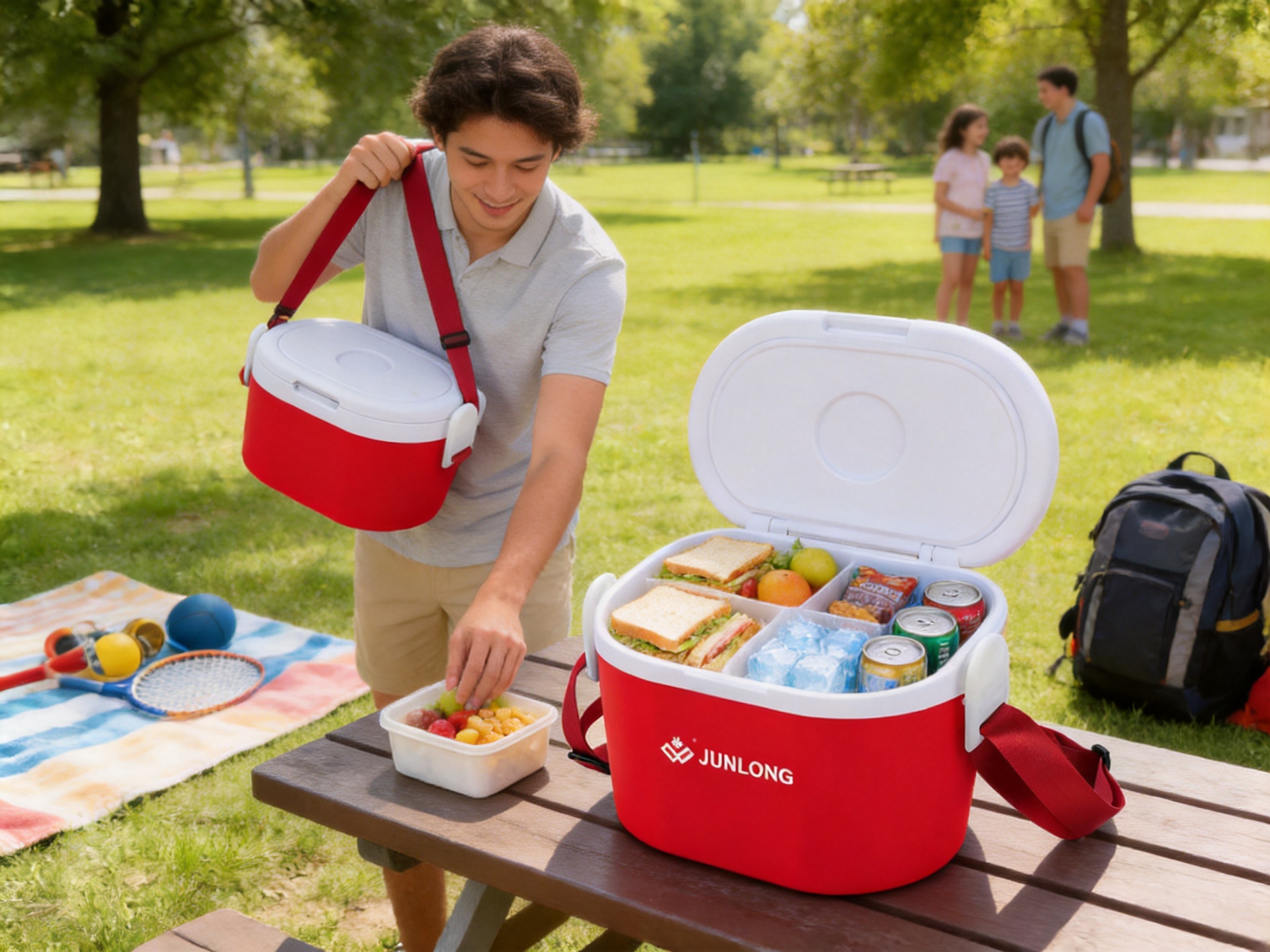
At a picnic or beach, a small cooler is often more convenient than a large family-size chest. It can hold individual beverages and snacks for one or two people without requiring excessive space. The secure lid helps keep sand, dust, and outdoor debris away from the interior when properly closed. For beach use, the cooler should be placed in a shaded area where possible, since direct sunlight can reduce cooling performance.
School and Office Lunches
The cooler’s food-grade interior and compact proportions make it suitable for carrying prepared lunches and drinks. It can be used for office breaks, school meal transport, or daily commuting. The shoulder strap enables easy movement between a home, vehicle, classroom, office, and dining area. Users should observe relevant food-storage practices, especially for perishable foods.
Small Family Outings
Families taking a short drive or visiting a local park may not need the capacity of a large cooler. The 6L model can support a child’s snacks, several drinks, or a small shared meal. Its compact body can be placed in a vehicle without taking up the space needed for larger luggage and outdoor equipment.
Sports and Recreational Activities
The cooler can be used beside a sports field, at a recreational facility, or during a day of casual outdoor activity. It can store water, juice, sports drinks, fruit, and light snacks. The dual carrying design is useful when users must move between parking areas, courts, fields, and spectator seating.
Travel and Short-Distance Transport
Travelers may use the cooler for road trips, train journeys, day excursions, and temporary storage of refreshments. Its compact dimensions make it easier to integrate with other luggage. The locking lid provides added convenience when the cooler is moved between locations, while the insulation system helps slow warming during transit.
Manufacturing Capabilities and Product Development Strengths
The product is manufactured by Ningbo Junlong Outdoor Products Co., Ltd., a company founded in 2000 and located in Cixi, Ningbo, Zhejiang Province. Cixi is part of the Yangtze River Delta manufacturing region, which provides access to established industrial supply chains, engineering resources, logistics services, and component suppliers.
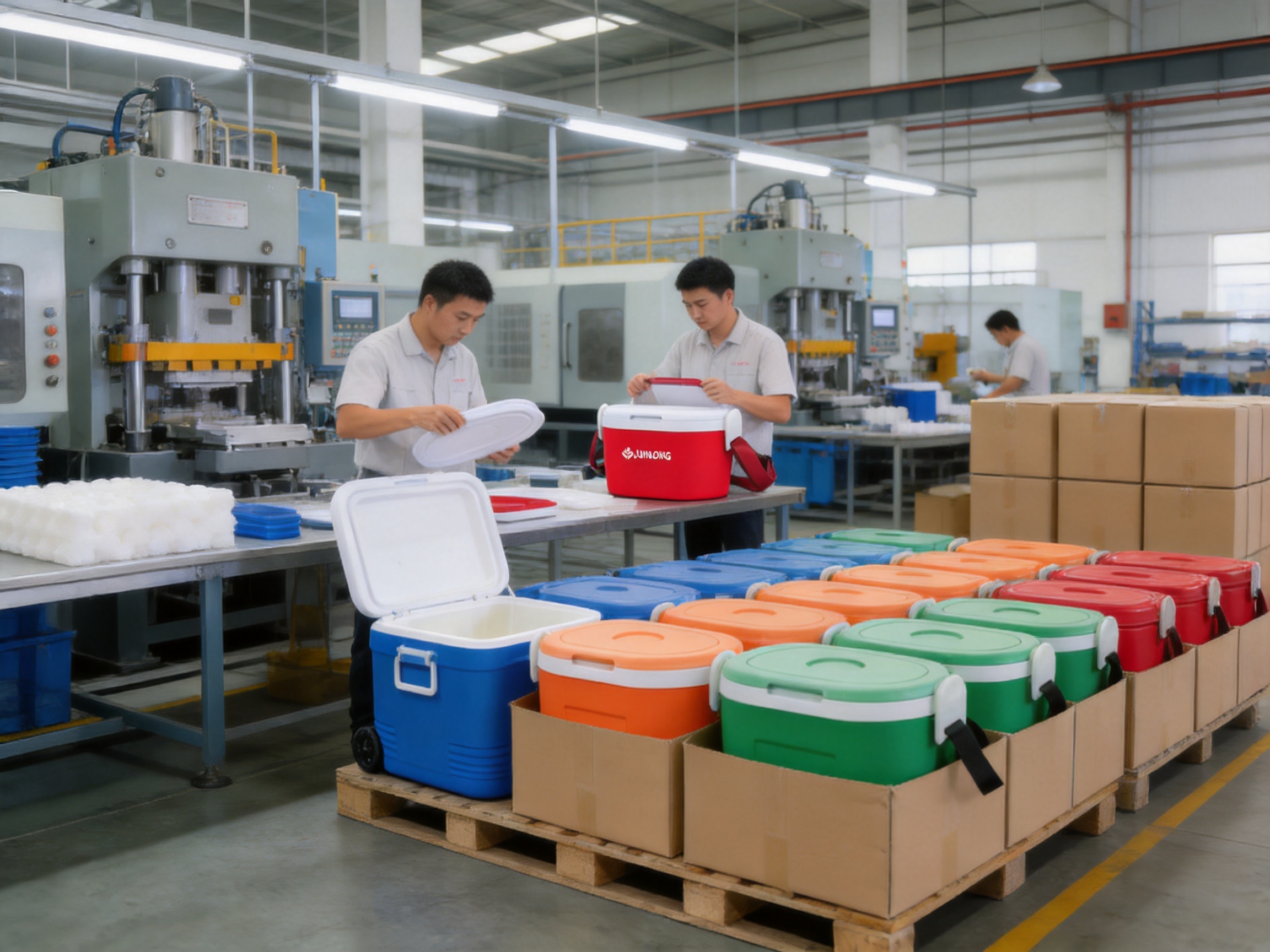
The company operates an independent factory covering approximately 12,000 square meters and employs more than 100 people. Its production capabilities include automatic injection molding machines, blow molding machines, and foaming equipment. These facilities are relevant to the manufacture of insulated cooler boxes because the product requires controlled plastic forming, structural consistency, and insulation processing.
Automatic injection molding supports the production of repeatable plastic components with defined dimensions and surface details. For a product such as the 6L cooler, molding accuracy can influence lid fit, body alignment, handle integration, and overall appearance. Consistent molding is particularly important when products are manufactured in different colors or produced in large quantities for OEM customers.
Blow molding equipment supports the production of hollow plastic forms and related outdoor containers. This capability broadens the company’s manufacturing base beyond one product category and contributes to its experience with plastic outdoor products. Foaming equipment is especially relevant to insulated products because controlled foam processing helps create the thermal barrier needed inside the cooler body or lid.
The combination of molding and foaming capabilities enables closer coordination between the structural shell and insulation components. Rather than relying solely on externally sourced finished assemblies, an integrated production system can support more direct control over material selection, component fit, production scheduling, and quality monitoring.
Quality Management and Production Control
Reliable cooler production requires more than attractive appearance. The product must maintain consistent dimensions, provide a secure closure, support the carrying system, and preserve the relationship between the outer shell, insulation layer, and inner liner. A rigorous quality management approach helps identify variation before products reach customers.
Production control may include incoming material checks, mold and equipment inspections, in-process dimensional verification, visual inspection, assembly checks, closure testing, and finished-product sampling. These activities are important for confirming that the lid aligns correctly, the strap and handle are properly assembled, and the cooler body meets the intended specification.
For OEM and ODM buyers, quality consistency is particularly important because products may be sold under different names, colors, and packaging designs. A factory capable of maintaining repeatable production standards can support more reliable deliveries across multiple purchase orders. It can also help reduce the risk of inconsistent color, uneven assembly, or variation in product dimensions.
The company’s quality management system is supported by its production facilities and experienced personnel. Its manufacturing model integrates product development, production, and sales, allowing customer feedback and market requirements to be communicated more directly to technical and production teams. This integrated structure can support faster refinement of product details and more coordinated project management.
OEM and ODM Customization Options
Different markets often require different product presentations. Retailers may need specific colors, logos, packaging formats, carton markings, or regional product information. Corporate customers may require branded coolers for promotional campaigns, employee programs, sports events, hospitality applications, or outdoor activities. The manufacturer provides OEM and ODM services to support these needs.
Product development can be based on customer drawings or samples. This allows buyers to communicate specific requirements related to dimensions, appearance, function, and packaging. Where a customer has a concept but not a finished design, the company’s R&D team can support the development process by evaluating the intended use and translating requirements into a manufacturable product solution.
Color customization is valuable for retailers seeking a coordinated product line or companies developing a recognizable brand identity. The product is available in bright color options including blue, orange, green, and red. These colors can improve visual appeal in retail displays and help customers distinguish different product variants. Additional color discussions may be possible for suitable order quantities and production conditions.
Logo and packaging customization can also improve market positioning. A branded cooler may be used as a promotional item, an event accessory, a hospitality product, or a private-label retail product. Packaging can be adapted to support product protection, shelf presentation, shipping requirements, and customer instructions. Carton planning is especially relevant because the standard packing quantity is eight pieces per carton, with a carton size of 625 × 485 × 430mm.
For buyers evaluating customization, it is useful to define requirements early. Important details may include target market, intended application, color references, logo artwork, packaging language, labeling regulations, order quantity, delivery schedule, and inspection standards. Clear specifications help the factory prepare an accurate quotation and reduce unnecessary revisions during sampling and production.
Efficient Shipping and Bulk Handling
The cooler is supplied in a standard carton configuration of eight units per carton. The listed carton dimensions are 625 × 485 × 430 millimeters, with a gross carton weight of 7.2 kilograms and a net carton weight of 6.2 kilograms in the supplied product information. Buyers should confirm final shipping specifications with the manufacturer before placing an order, because packaging materials, labeling, and production configurations may affect shipment data.
Defined carton packing supports warehouse organization and freight planning. Importers can estimate the number of units per pallet, compare container utilization, and prepare receiving procedures. Retailers can also evaluate whether the carton size suits their distribution centers or regional fulfillment operations.
Because the product is compact, it can be incorporated into mixed shipments with other outdoor products, including cooler jugs, water containers, ice buckets, and related accessories. This may help distributors build a broader product range from one manufacturing partner. Consolidated sourcing can simplify communication, sampling, quality coordination, and logistics management.
For international buyers, shipping preparation should include confirmation of carton markings, product labels, packing lists, invoices, applicable export documentation, and any destination-market requirements. The manufacturer’s sales team can coordinate these details according to the agreed order and shipping terms.
Why the Product Offers a Competitive Balance
The main advantage of the 6L Mini Insulated Cooler is not simply its size. Its value comes from the way several practical features work together. The compact body supports portability, the rigid construction provides structure, the EPS insulation supports temperature retention, the food-grade PP liner supports direct food contact, and the dual carrying design improves daily convenience.
Many small coolers are optimized for only one characteristic. Some prioritize low weight but offer limited structural protection. Others provide strong insulation but become difficult to transport. Some are easy to carry but lack a secure closure or durable molded interior. This product is designed as a balanced solution for users who need reliable everyday performance without the bulk of a large cooler.
The cooler also offers advantages for business customers. Its simple, recognizable form is suitable for private labeling, and the available color range provides a foundation for visual customization. The manufacturer’s experience with injection molding, blow molding, foaming, and outdoor product development can support stable production at commercial quantities.
Another advantage is application flexibility. The same cooler can be marketed for hiking, picnics, office lunches, school use, travel, beach visits, sports, and small family outings. This broad positioning can help retailers reach several customer segments instead of relying on a single seasonal use case.
For companies seeking a private-label product, the combination of established manufacturing resources and customization support may reduce the need to coordinate several separate suppliers. Product development, color selection, logo application, packaging, and production can be discussed through one integrated manufacturing partner.
Recommended Use and Care Practices
To achieve better cooling results, pre-chill the cooler before loading it whenever possible. Use chilled food and beverages rather than placing warm items directly into the container. Ice packs or suitable ice should be distributed around the contents, especially in empty spaces where warm air may otherwise remain.
Keep the lid closed as much as possible. Every opening allows warmer air to enter and reduces the time available for the cooler to maintain a low internal temperature. Arrange frequently accessed drinks or snacks where they can be reached quickly. When the cooler is used outdoors, place it in shade and avoid leaving it in a hot vehicle for extended periods.
Clean the food-contact interior after each use. Remove food residue, wipe away liquids, and allow the interior to dry before closing the lid for storage. Do not use sharp tools that may damage the liner or insulation structure. Avoid placing the cooler near open flames, high-temperature equipment, or other sources of excessive heat.
Inspect the shoulder strap, handle, lid, and closure regularly. If any component becomes damaged or loose, discontinue use until it has been properly repaired or replaced. When storing the cooler, keep it in a dry, ventilated area away from direct sunlight and heavy objects that could deform the body or lid.
Guidance for Retailers and Distributors
Retailers can present the product as a personal-size insulated cooler for customers who want portability without sacrificing the structure of a rigid box. The 6L capacity should be shown alongside practical examples, such as six to eight 330ml cans, a packed lunch, or refreshments for a short outdoor trip. Clear capacity communication helps customers select the correct size for their needs.
Display color options can improve the product’s visual impact. Blue, orange, green, and red provide a bright assortment suitable for outdoor retail, seasonal promotions, school-supply displays, sporting-goods departments, and travel-accessory sections. A retailer may also group the cooler with reusable bottles, picnic accessories, food containers, backpacks, and outdoor seating products.
Product descriptions should emphasize the adjustable detachable shoulder strap, secure lid, food-grade PP liner, compact dimensions, and EPS insulation. These features distinguish the cooler from a basic uninsulated container. Retail materials should also explain that cooling time depends on preparation and use conditions, helping customers form realistic expectations.
For distributors, the standard eight-piece carton quantity supports case-level ordering. Buyers should confirm the final product weight, carton weight, packaging configuration, and available customization options with the manufacturer before publication of commercial specifications.
Guidance for OEM and Project Buyers
OEM and project buyers should first identify the intended user and environment. A cooler for promotional events may require a strong logo area and customized packaging. A cooler for outdoor retailers may need bright colors and a product-focused presentation. A cooler for corporate gifts may require special inserts, branded cartons, or coordinated accessories.
The product’s compact size makes it suitable for promotional campaigns where shipping volume and storage space are important. It can be distributed at outdoor events, sports competitions, travel programs, employee activities, and consumer marketing campaigns. A branded cooler can remain useful after the event, extending brand exposure beyond the original distribution date.
When requesting a quotation, buyers should provide expected order quantity, target color, logo files, packaging requirements, destination market, preferred shipping terms, required delivery schedule, and inspection expectations. If a custom mold or design change is requested, the buyer should also clarify whether the project is based on an existing model or requires new tooling.
Samples are valuable for checking color, logo placement, lid operation, strap adjustment, interior dimensions, packaging presentation, and overall appearance. A confirmed sample can serve as a reference for bulk production and help both parties establish clear acceptance criteria.
Company Experience in Outdoor Cooling Products
The manufacturer specializes in outdoor cooling and water-storage products, including ice buckets, insulated cooler jugs, outdoor water containers, and cooler boxes. This category focus gives the company relevant experience with thermal insulation, molded plastic bodies, food-related interiors, carrying systems, and outdoor product design.
Since its establishment in 2000, the company has developed a manufacturing model that combines product development, production, and sales. This structure supports ongoing communication between market requirements and factory capabilities. The company’s R&D team works alongside manufacturing resources to develop practical products with attention to appearance, usability, and production feasibility.
The independent factory and equipment base provide a foundation for managing production directly. Automatic injection molding, blow molding, and foaming equipment support multiple product technologies, while the company’s quality management practices are intended to promote stable output. For international customers, direct factory cooperation can also simplify technical communication and customization discussions.
The company’s product range and OEM/ODM services are suited to importers, wholesalers, retailers, promotional-product companies, outdoor brands, and organizations seeking customized cooling products. Its focus on value-oriented quality and long-term cooperation supports the needs of buyers who require repeat orders rather than one-time sourcing.
Frequently Asked Questions
What is the capacity of the cooler?
The cooler has a listed capacity of 6 liters. It can hold approximately six to eight 330ml cola cans, although the actual quantity will vary depending on the arrangement and the amount of ice or cooling media used.
What are the product dimensions?
The product dimensions are 310 × 215 × 200 millimeters. These compact dimensions are suitable for personal use, short trips, vehicles, offices, classrooms, and limited storage spaces.
Is the interior suitable for direct food contact?
Yes. The cooler uses a food-grade PP inner liner that can directly contact food. Users should still follow normal food-safety practices and clean the interior after each use.
How long can the cooler retain cold temperatures?
The product information states an insulation time of up to 48 hours. Actual cooling duration depends on the starting temperature, ice or ice-pack quantity, ambient conditions, sunlight, frequency of opening, and packing method.
Does the cooler include a shoulder strap?
Yes. It includes an adjustable, detachable shoulder strap as well as a handle. The two carrying methods allow users to select the most convenient option for different activities.
What colors are available?
The listed color options include blue, orange, green, and red. Additional colors may be discussed for suitable OEM or ODM orders, subject to production requirements and minimum order quantities.
Is the lid secure during transport?
The cooler includes a locking lid designed to help keep the contents enclosed during normal carrying and transport. Users should confirm that the lid is fully closed before moving the cooler.
What types of activities is the cooler suitable for?
It is suitable for hiking, day trips, office lunches, school meals, picnics, beach visits, sports activities, travel, and small family outings. Its compact design is intended for personal or small-scale cooling needs.
How many units are packed in one carton?
The standard packing quantity is eight pieces per carton. The listed carton size is 625 × 485 × 430 millimeters. Buyers should confirm final packing specifications before shipment.
Can the product be customized?
The manufacturer offers OEM and ODM customization, including product development based on drawings or samples, color options, logo applications, and packaging customization. Requirements should be discussed before sampling and production.
What manufacturing equipment does the company operate?
The company operates automatic injection molding machines, blow molding machines, and foaming equipment. These capabilities support the manufacture of molded plastic products, outdoor containers, and insulated cooler structures.
Where is the manufacturer located?
The manufacturer is located in Cixi, Ningbo, Zhejiang Province, China, within the Yangtze River Delta manufacturing region. It operates an independent factory of approximately 12,000 square meters.
Conclusion
The 6L Mini Insulated Cooler with Carry Strap is a practical solution for users who need compact, dependable, and portable cooling. Its 6-liter capacity is appropriate for drinks, snacks, lunches, and short outdoor activities. The 310 × 215 × 200mm format makes it easy to store and transport, while the handle and adjustable detachable shoulder strap provide flexible carrying options.
The food-grade PP inner liner supports direct food contact, the locking lid helps secure the contents, and the EPS-insulated lid and body are designed to support extended temperature retention. With a stated insulation time of up to 48 hours under suitable conditions, the cooler can serve a wide range of personal and commercial applications.
For retailers and distributors, the product offers broad market appeal across hiking, travel, school, office, picnic, beach, sports, and family-outing categories. For OEM and ODM buyers, the manufacturer provides product development, color, logo, packaging, and related customization services. Its factory, molding and foaming equipment, R&D resources, and experience in outdoor cooling products provide a strong foundation for consistent commercial production.
By combining compact capacity, structured insulation, food-contact usability, secure closure, and flexible carrying, this cooler offers a balanced alternative to both soft cooler bags and oversized cooler chests. It is well suited to customers who want convenient cooling performance without unnecessary bulk.
References
1. Product specification sheet for the 6L Mini Insulated Cooler, including model, capacity, dimensions, packing quantity, materials, and carrying features.
2. Manufacturer-provided company profile describing factory facilities, production equipment, product development capabilities, and OEM/ODM services.
3. General principles of thermal insulation in portable food and beverage containers, including the role of EPS insulation and lid design.
4. General food-safety guidance for transporting chilled meals, beverages, and perishable foods in insulated containers.
5. General packaging and logistics practices for molded plastic outdoor products and cartonized export shipments.
Product: 6L Mini Insulated Cooler with Carry Strap for Hiking

Product Recommendation
link
Office
- TEL: +86-574-63787606
- Phone: +86-13777994798
- E-mail: sales@nbjunlong.com
- WhatsApp: 13777967488
- Address: No. 1, Lane 3, Development Road, Longtouchang, Longshan Town, Cixi City, Zhejiang Province, China
Get In Touch
Copyright © Ningbo Junlong Outdoor Products Co., Ltd. All Rights Reserved.
China Plastic Insulated Cooler Box Manufacturer Custom Cooler Box Supplier
